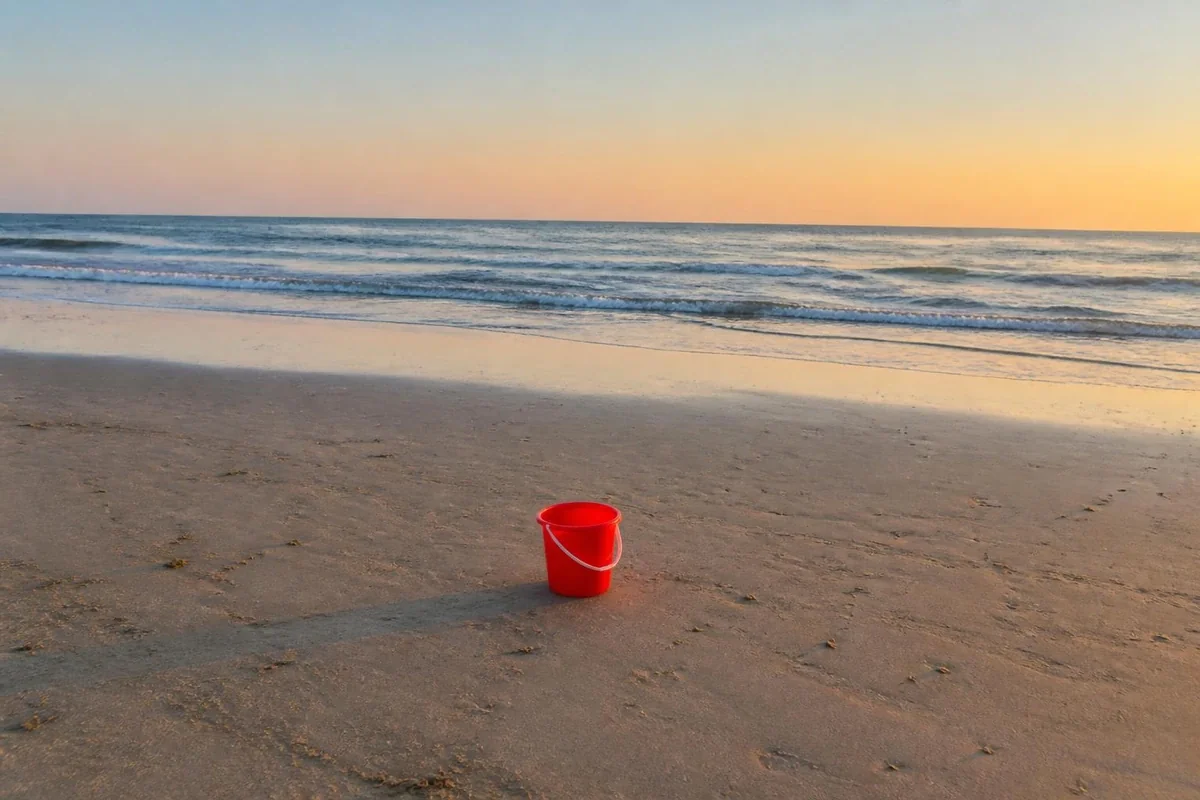
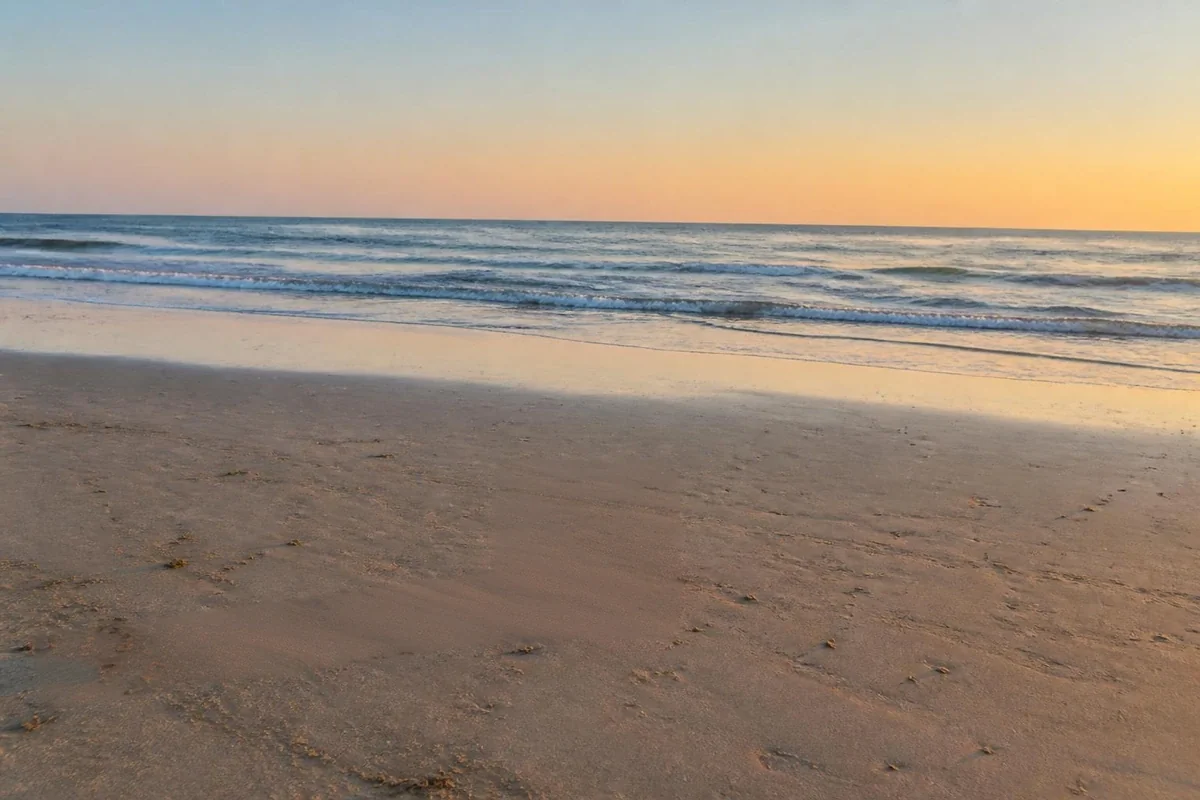
No. 08 — AI Tools · Cloud HDPro · on our GPU

One person, gone, the rest stays put.

Brush over the person who should not be in the frame and our GPU closes the scene behind them. What decides the result is not the person — it is what they were standing in front of, and whether they were touching anyone you are keeping.

Pro · Cloud HDDeleted on completionUp to 25 MB · 24 MP
Remove a personCloud HD · our GPU

How it works

  1. Pick the photo — JPEG, PNG or WebP, up to 25 MB and 24 megapixels.
  2. Paint over the whole person, their shadow and any reflection. Everything outside the brush is returned pixel for pixel.
  3. PowerPaint fills the painted region from its surroundings and hands back a PNG at your original resolution. This is an HD run — one of the 10 in your monthly allowance.

This page is the object remover, tuned to people — the largest, most structured thing you are likely to paint out.

All Image Tools

AI Tools

Solutions by use case

Remove a Person from a PhotoPro, on our server

The background decides the result, not the person. A human shape is simply a region you have painted out; what fills it comes from whatever was on either side. Sky, water, sand, grass, a painted wall, a wooden floor, a plain tablecloth — these are continuous, statistically boring surfaces, and PowerPaint closes them so cleanly that nobody looks twice. Bookshelves, brickwork with a strong grid, tiled floors, a row of parked cars, a crowd at a wedding: these carry structure the model has to line up across a gap, and the seam is where the grout line or the shelf edge fails to meet. Before you spend a run, look at the two edges of the person and ask whether you could redraw what is between them from what you can see. If you could, the model probably can as well.

Overlap is the real limit, and it is worth understanding before you paint. When the person you are removing stands clear of everyone else, the job is background reconstruction. When they have an arm around the person you are keeping, it becomes anatomy invention: the model must produce a shoulder, a sleeve, a hemline it has never seen, and it will produce something confident and wrong about as often as something right. Two practical moves usually beat a heroic mask. Crop them out instead with the on-device crop tool, which costs no run at all and changes nothing that stays in the frame. Or accept a smaller mask that leaves the overlapping sliver and removes the rest of the body, which reads far better than a hallucinated arm.

Paint everything the person put into the scene. A body casts a shadow, reflects in water, glass and polished floors, blocks light on the wall behind, and usually holds something. Each of those is a separate patch of pixels that the model will leave exactly where it is unless your brush covers it, and a floating drink or an ownerless shadow is what makes an edit obvious. Work at a comfortable zoom, use a larger brush for the torso and a smaller one along the hairline and between fingers, and give yourself a few pixels of margin everywhere — a mask cut exactly to the silhouette tends to leave a thin rim of the original person behind. If the first pass leaves an artefact, paint over that artefact and run again rather than starting from the original.

Where this runs, and what it costs. Person removal is Cloud HD: a Pro-only option you switch on yourself, because an inpainting model of this size cannot run in a browser. Your photo and your mask are encrypted in transit, processed once on our GPU in the United States, and deleted when the run finishes and in all cases within 24 hours — never used to train anything. Pro includes 150 runs a month on Monthly and 200 on Annual, of which 10 may be HD runs; removals are HD. Sibling pages cover the narrower jobs: a photobomber behind the group, a crowd in front of a landmark, or the general object remover for everything that is not a person. If what you actually want is a cutout of one person on a transparent background, the free on-device background remover does that in your browser with no upload at all.

How it works

  1. Open the person remover: Go to minipx.com/remove-person-from-photo and sign in to a Pro account.
  2. Upload the photo: JPEG, PNG or WebP, up to 25 MB and 24 megapixels. It uploads over an encrypted connection for this run only.
  3. Brush over the whole person: Cover them edge to edge with a small margin, and take their shadow and any reflection with the same strokes.
  4. Run it and check the seams: Download the full-resolution PNG, then zoom into the filled area before you use it. If the fill guessed badly, redraw the mask and run again.

Frequently asked questions

Can it remove someone standing in front of the person I want to keep?
It will try, and this is the hardest case there is. Where the two overlap, the model has no evidence of the hidden arm, shoulder or hemline, so it invents one from the visible parts. Expect a usable result when the overlap is a few centimetres of sleeve, and a visible guess when one person hides half of another. Reframe with a crop instead when the overlap is large.
What should I do about their shadow and their reflection?
Paint over those too, in the same selection. The model removes exactly the pixels you cover and nothing else, so a shadow left behind is a shadow that now belongs to nobody — the single most common giveaway in a removal. On a beach or a wet pavement, follow the reflection down to where it fades and include it in the mask.
How much of the frame can one person take up before it stops working?
There is no hard threshold, only a trade. A person occupying under a quarter of the frame against sky, grass, sand, water or a plain wall usually closes seamlessly. A person filling half the frame in front of a bookcase, a crowd or a patterned facade asks the model to author a large new region, and the result reads as invented on close inspection.
Will anyone be able to tell someone was removed?
At normal viewing size, small and medium removals against even backgrounds are hard to spot. Zoomed in, the filled area is smoother than real texture and repeated patterns can misalign. It is a reconstruction of what the scene probably looked like, not a photograph of what was actually behind them, and we would rather you knew that before printing it.
Should I think twice about removing someone from a photo of other people?
Sometimes. Editing your own family photograph is nobody else’s business. Editing a photo you will publish, submit as evidence, or present as an unaltered record is a different matter, and several platforms and jurisdictions treat it that way. The tool does not police your intent; it does tell you plainly that the output is reconstructed rather than recovered.
Does my photo stay anywhere after the run?
No. This is a Cloud HD tool, so the photo and the mask you painted travel encrypted to our GPU in the United States, are used for that one run, and are deleted when the run finishes and in all cases within 24 hours. They are never used to train anything. A failed run is not charged against your allowance.