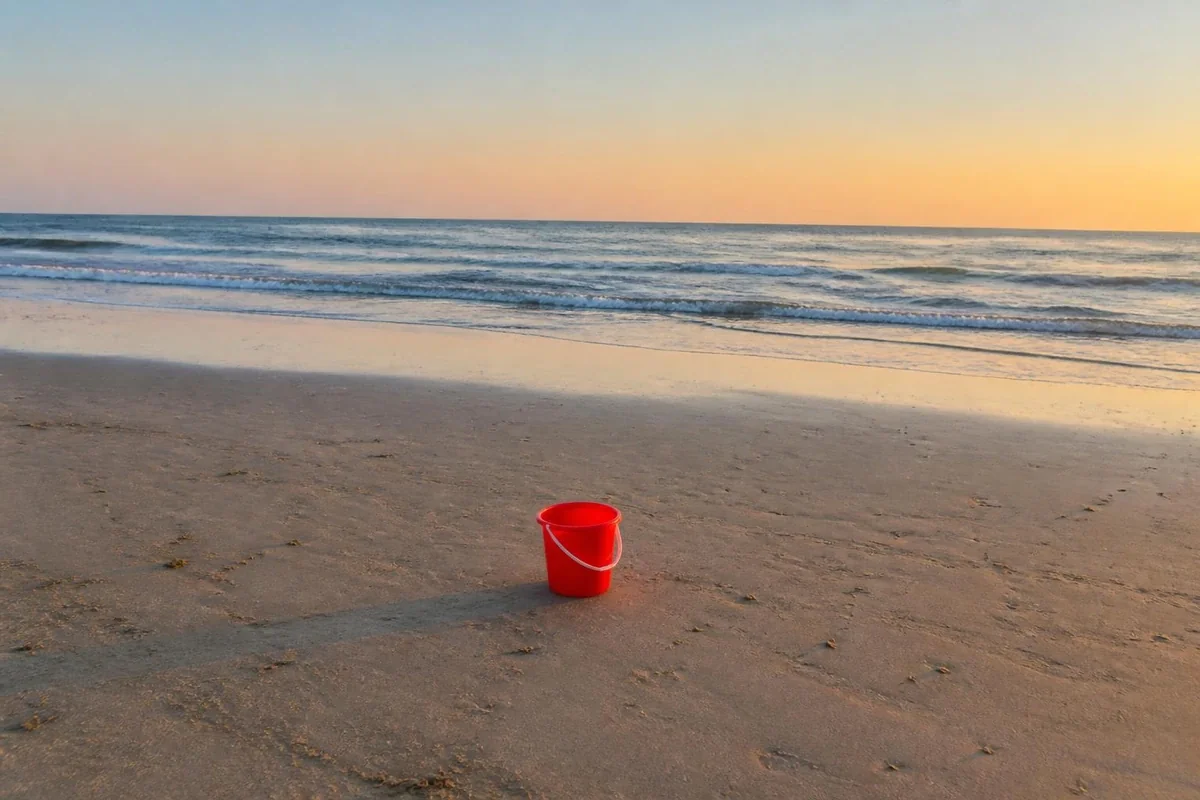
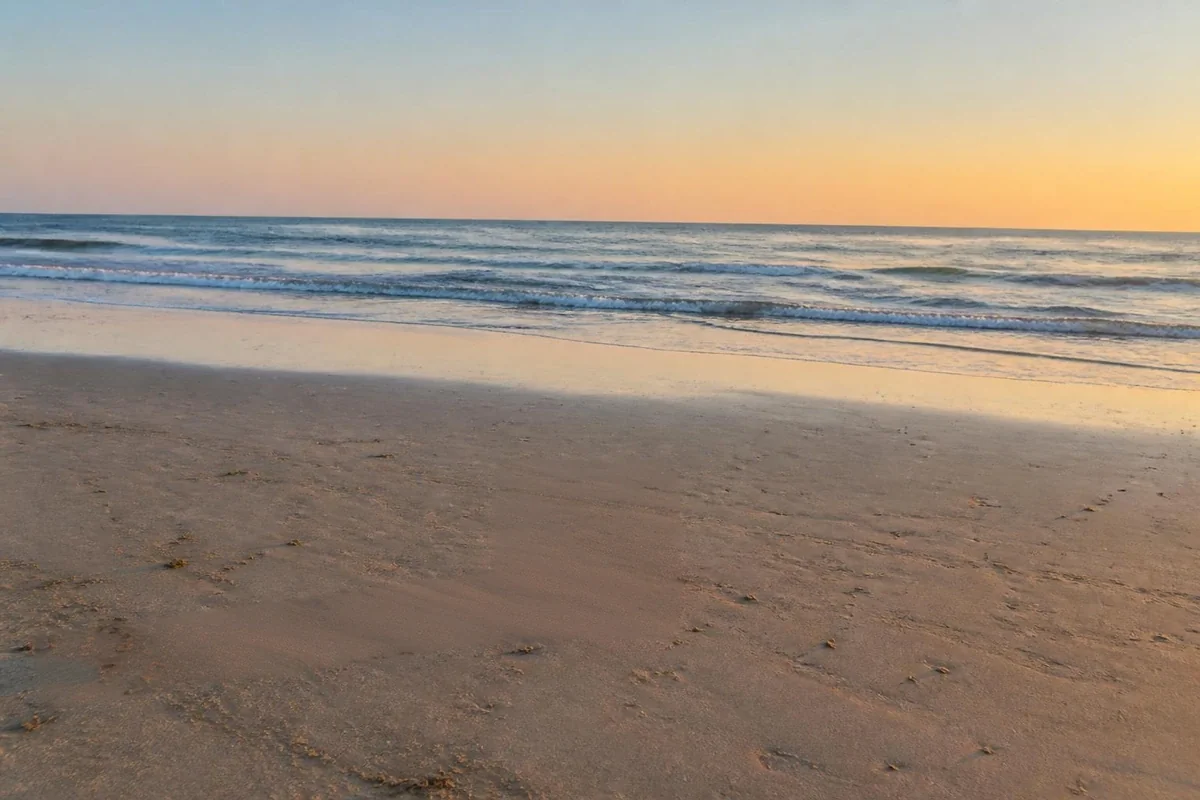
No. 08 — AI Tools · Cloud HDPro · on our GPU

Unwanted objects, brushed out of shot.

Two questions decide every removal before you paint a single stroke: how much of the frame does it cover, and how predictable is the surface behind it? This page is about answering those, then running the fill once and well.

Pro · Cloud HDDeleted on completionUp to 25 MB · 24 MP
Remove unwanted objectsCloud HD · our GPU

How it works

  1. Upload the photo — JPEG, PNG or WebP, up to 25 MB and 24 megapixels.
  2. Paint every object you want gone into one mask, shadows and reflections included. Anything you leave unpainted is returned pixel for pixel.
  3. PowerPaint reconstructs each masked region from the surrounding scene and returns a PNG at your original resolution. One HD run of the 10 a month.

This page is the object remover, tuned to the judgement call — which removals are worth a run and which are not.

All Image Tools

AI Tools

Solutions by use case

Remove Unwanted Objects from PhotosPro, on our server

The four quadrants of a removal. Put mask size on one axis and background predictability on the other and almost every job lands in one of four boxes. Small mask, predictable surface — a cigarette end on sand, a sticker on a wall, a date stamp in a corner — is effectively guaranteed, and you will not find the edit afterwards. Large mask, predictable surface — a car on an empty road, a bin against a hedge — works well and needs a glance at the boundary. Small mask, structured surface — a screw in a tiled wall, a label on a bookshelf — works but earns an inspection at full size. Large mask, structured surface — a van in front of a shopfront, a person against a crowd — is where the model stops reconstructing and starts composing, and where a confident, detailed, entirely fictional result is the normal outcome.

Everything you do not paint is untouched, which is the guarantee to build on. The run replaces the pixels inside your mask and returns the rest of the frame exactly as it arrived, at the same resolution, as a PNG. There is no global sharpening, no colour grade, no quiet resize. That property is what makes a tight mask worth the extra minute: the photograph you liked survives intact and only the deliberate hole has been rebuilt. It also makes the second pass cheap in risk — paint over one bad artefact on the returned file and run again, and the rest of the picture is carried through the second run just as faithfully as the first.

Ten HD runs a month is a budget, so plan the picture, not the object. Every removal draws one HD run whether the mask holds a single crisp packet or fourteen separate items, so the expensive habit is running once per object as you notice them. Sit with the photograph first, decide everything that is going, and paint the lot in one sitting: the bins, the signage, the cable across the sky, the stranger at the edge, the shadow each of them throws. Then judge the result and keep a run in hand for whatever needs a second attempt. Sibling pages take particular cases further — people, vehicles, overhead cables and general clutter — but the arithmetic is the same on all of them, and all of them are the one object remover pointed at a different subject.

Reach for a cheaper tool when one will do. A great many removals are really framing problems, and the free on-device crop tool solves those in your browser at no cost and with nothing invented. If the object is the entire background and you want a clean cutout, that is the free background remover, also on device, also no upload. Object removal is the tool for when one specific thing has to go while the rest of the frame stays exactly as photographed, and for that it is Cloud HD — Pro-only, opt-in, on our GPU in the United States, with your photo and mask encrypted in transit, deleted when the run finishes and in all cases within 24 hours, and never used to train anything. Pro allows 150 runs a month on Monthly and 200 on Annual.

How it works

  1. Sort the objects before you paint: List what has to go, then rank each by how large it is and how predictable the surface behind it is. Drop the ones that fail both tests.
  2. Open the remover and upload: Go to minipx.com/remove-unwanted-objects-from-photo on Pro and upload a JPEG, PNG or WebP up to 25 MB and 24 megapixels.
  3. Paint every removal into one mask: Cover each object with a small margin plus its shadow and reflection. One mask holding six objects costs the same single HD run as one holding one.
  4. Inspect, then spend a second run only if needed: Check each filled area at 100%. Paint over any specific artefact on the returned PNG and run that alone.

Frequently asked questions

How do I judge whether something is worth attempting?
Two variables settle almost every case: how much of the frame the object covers, and how predictable the surface behind it is. Small object on a predictable surface is a certainty. Large object on a predictable surface usually works. Small object on structured background works with inspection. Large object on structured background is the model authoring a scene, and that is where results stop being reliable.
Which backgrounds fill invisibly and which fight back?
Sky, water, sand, grass, snow, tarmac, plain walls, plain fabric and anything defocused fill without a trace, because they are continuous and carry no alignment. Brickwork, tiles, floorboards, bookshelves, railings, window grids, printed patterns and crowds all carry rhythm the fill has to land exactly, and a pixel of drift is visible at full resolution.
How should I spend ten HD runs in a month?
Deliberately. Every removal is an HD run whatever it contains, so one carefully drawn mask covering six objects costs the same as one careless mask covering one. Plan a picture before you paint it, put every removal into a single pass, and keep a run or two in reserve for the correction pass on whichever fill came back wrong. A failed run is never charged.
Does anything outside my selection change?
No. The area you did not paint is returned pixel for pixel — same resolution, same detail, no global filter, no re-encode of the untouched regions beyond writing a PNG. That is the reason to keep masks tight: the parts of the photograph you like are guaranteed to survive exactly as they were, and only what you covered has been reconstructed.
Can I go back if I do not like the result?
Your original file is never modified. The run returns a new PNG and whatever you uploaded stays on your own disk as it was, so the worst outcome is a download you discard. On our side there is nothing to go back to — the uploaded copy and the mask are deleted when the run finishes and in all cases within 24 hours.
What are the file limits and the model behind it?
JPEG, PNG and WebP up to 25 MB and 24 megapixels, returned as a PNG at the same resolution you sent. The model is PowerPaint, an inpainting model built for removal, running on our GPU in the United States as a Cloud HD job. The model can change, and you can always see which one ran.